“Discipline and united action are the real sources of strength for the nation.”
Lal Bahadur Shastri
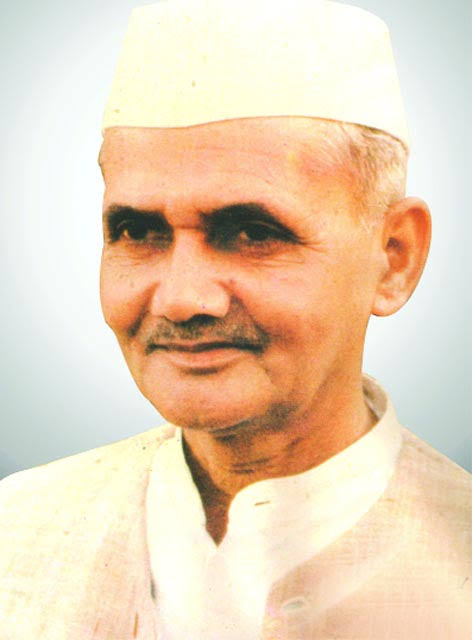
Lal Bahadur Shastri dedicated more than 30 years to the country and he came to be known as a man of great cohesion and competence. He was a man of a great positive self-image, humble and tolerant. He understood people’s language and was a man of vision towards the country’s progress.
Lal Bahadur Shastri was born on 2nd October 1904 at Mughalsarai, Varanasi, Uttar Pradesh. He was the second Prime Minister of Independent India and also a leader of the Indian National Congress Party.
Here are some of the most interesting facts about Lal Bahadur Shastri :
- He was a supporter of equatability and considered caste system a social evil that creates a divide. Therefore, all Bahadur Shastri gave up his family name at an early age. It was only after joining the Kashi Vidyapeeth and after getting a degree in philosophy, he received the sobriquet ‘Shastri’
- Taking inspiration from Mohandas Gandhi and Bal Gangadhar Tilak, Lal Bahadur Shastri gave up his studies to join the freedom movement in 1921
- Being a part of the freedom movement landed up him in jail quite often and therefore he had to be on parole of 15 days when his daughter fell sick. He was there with her when she succumbed to the disease. But, without waiting any longer and even after having some parole time at hand, He went back to jail soon after performing his daughter’s last rites.
- when Shastri was completing his term in prison, his wife received a pension of Rs. 50 every month. once, when his wife visited him in jail and told him that she was able to savers. 10 from the pension, he got miffed and asked the servants of people’s society to cut down his pension and give that Rs. 10 to someone poverty-stricken family.
- when his son received an unreasonable promotion at his job, it annoyed lal bahadur shastri and he immediately released an order to reverse the promotion.
- During his time, India faced another aggression from Pakistan in 1965. He granted permission to the security forces to retaliate and said “force will be met with force” and earned recognition. Indo-Pak war ended on September 23, 1965.
- on June 9, 1964, Lal Bahadur Shastri became the prime minister of India. He promoted the white revolution, a national campaign to increase milk production. He also promoted the green revolution to improve food production in India.
- on January 10, 1966, the Russian prime minister, Kosygin, offered to negotiate Lal Bahadur Shastri and his Pakistan counterpart Ayub khan authorized the Tashkent declaration.
Written by Priya Rajput Mass Communication, Central University of Jammu